Vitamin E has long held a well-earned reputation as one of skincare's most dependable ingredients — and for good reason. Our bodies are complex, interconnected systems, and the health of our skin often reflects what's happening beneath the surface. Just as a string of sleepless nights or chronic dehydration can leave you feeling off, your skin will quietly signal the same imbalances.
Vitamin E isn't just another supplement to add to the pile. It's a potent antioxidant that supports your skin from the inside out, helping you achieve a glow that feels natural rather than forced. Here's why this often-underestimated nutrient deserves a permanent place in both your skincare routine and your diet.
1. Antioxidant Armor for Your Skin
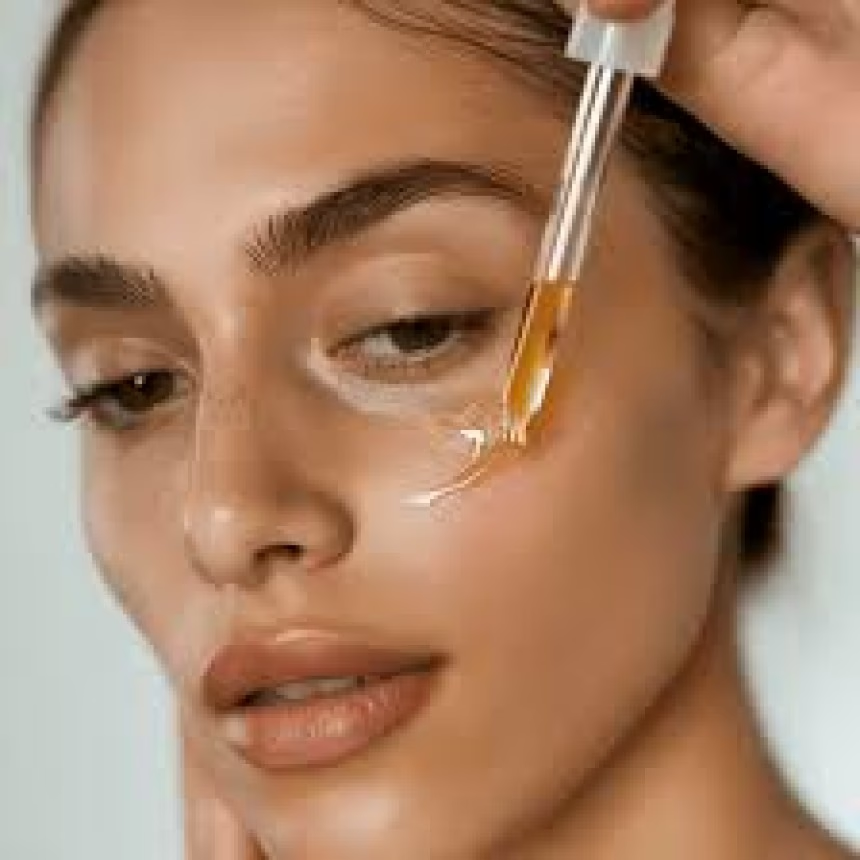
Vitamin E is best known for its powerful antioxidant properties, which help shield skin cells from free radical damage. Free radicals — those unstable molecules triggered by sun exposure, pollution, and everyday stress — are among the leading causes of premature aging, contributing to fine lines, wrinkles, and a dull complexion. By neutralizing these molecules before they can do lasting damage, Vitamin E acts as a protective barrier, keeping skin smoother and more resilient over time.
2. Deep Hydration and Long-Lasting Moisture
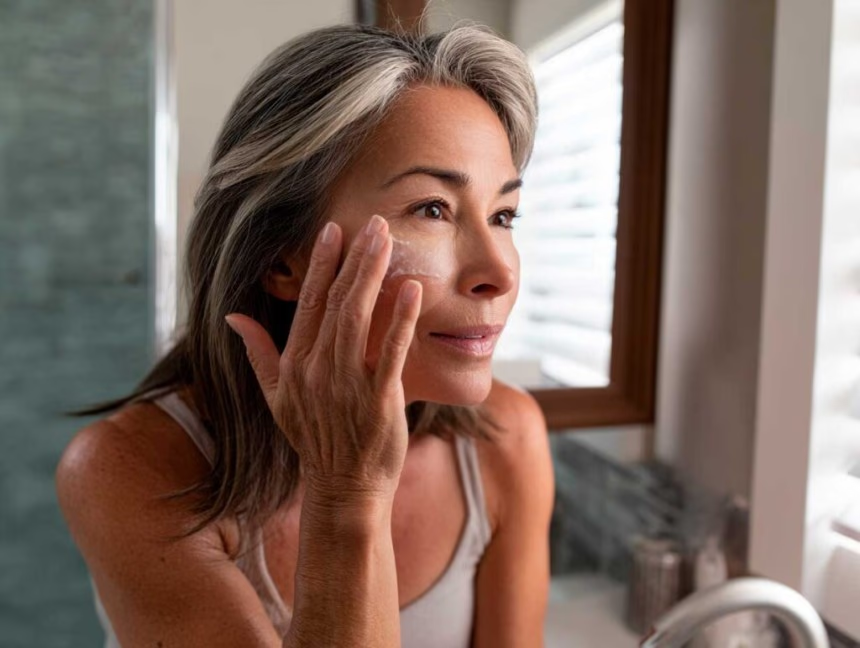
One of Vitamin E's lesser-known strengths is its ability to lock in moisture. It reinforces the skin's natural barrier function, reducing water loss and maintaining soft, supple skin throughout the day. Whether your skin is parched from winter cold or stressed by environmental aggressors, Vitamin E supports sustained hydration. Think of it as a moisture magnet — keeping your complexion plump, dewy, and comfortable.
3. Scar Fading and Skin Repair
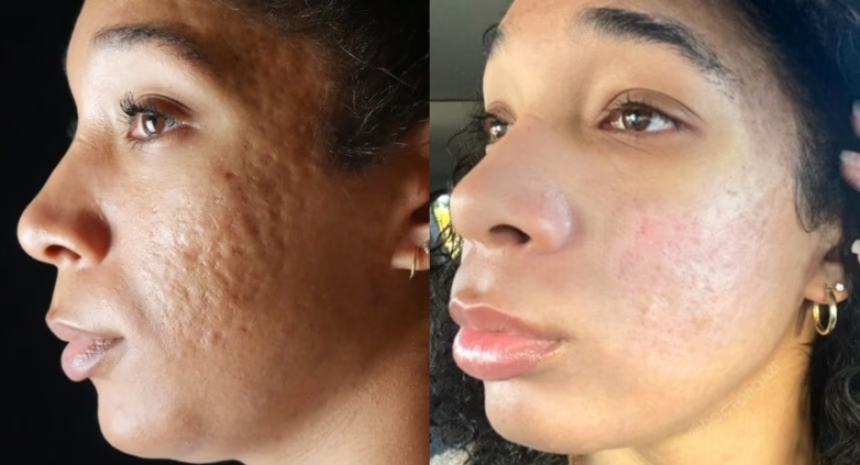
Vitamin E has long been celebrated for its role in skin healing and regeneration. From old acne scars to minor cuts and abrasions, this nutrient encourages the skin to repair itself more efficiently. By promoting cell turnover and improving elasticity, it can help scars appear softer and less pronounced over time — though results will vary depending on skin type and the age of the scar.
4. Soothing Irritation and Redness
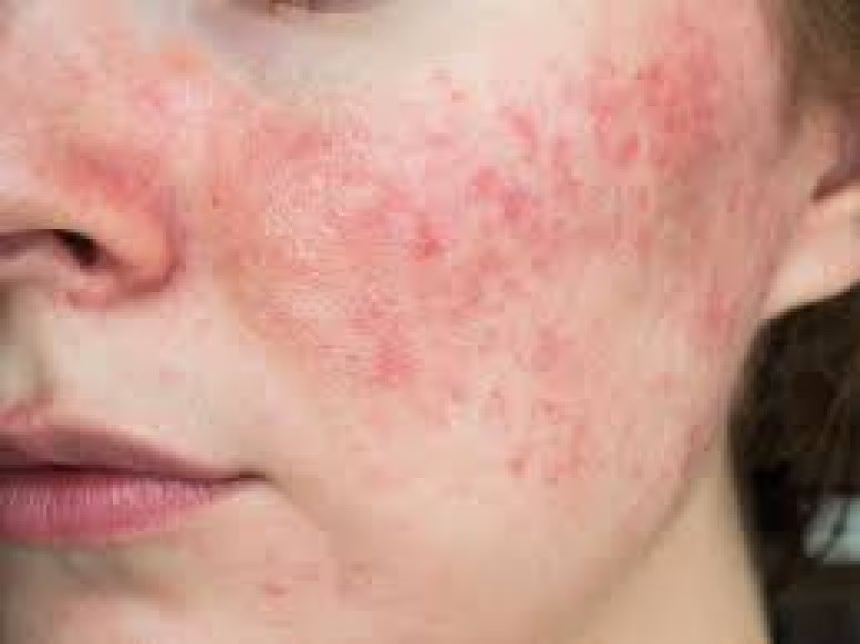
For those with sensitive or reactive skin, Vitamin E can be a genuinely calming ingredient. Its anti-inflammatory properties help reduce redness and irritation, making it a welcome addition to post-sun routines or daily moisturizers. It's gentle enough to work alongside other active ingredients without overwhelming them.
5. A Natural Defense Against UV Damage
While Vitamin E is no substitute for sunscreen, it does enhance your skin's ability to handle UV-related stress. Research suggests that when paired with Vitamin C, it can strengthen protection against sun exposure, minimize oxidative damage, and help reduce long-term effects like pigmentation and fine lines.

How to Add Vitamin E to Your Routine
Topical serums and oils: Look for Vitamin E combined with complementary antioxidants like Vitamin C or hyaluronic acid for maximum skin benefits.
Moisturizers: Many creams include Vitamin E to boost hydration and support the skin barrier.
Dietary sources: Nuts, seeds, spinach, and avocado are all rich natural sources that nourish your skin from within.
Supplements: Speak with your healthcare provider to determine whether an oral Vitamin E supplement makes sense for your wellness goals.
Practical Tips
- Apply Vitamin E oil to dry patches or scars at night for targeted repair while you sleep.
- Layer a Vitamin E serum under your SPF in the morning for added antioxidant protection.
- Combine Vitamin E with Vitamin C for a synergistic brightening and protective effect.
- If you have oily or acne-prone skin, opt for lightweight formulations rather than heavy oils.
- Consistency is key — Vitamin E works gradually, so give it at least four to six weeks before evaluating results.
Conclusion
Vitamin E isn't a trendy ingredient that will disappear next season. It's a time-tested nutrient with a well-documented track record of supporting skin health, hydration, and resilience. Whether you incorporate it through your diet, a targeted serum, or a rich moisturizer, you're giving your skin a meaningful boost against environmental stress, visible aging, and everyday dryness. The results may be gradual, but they're real — and your skin will thank you for the long-term investment.
FAQ
Q: Can I apply Vitamin E oil directly to my skin? Yes, pure Vitamin E oil can be applied directly, but it's quite thick and may feel heavy on oily or acne-prone skin. For everyday use, a serum or moisturizer containing Vitamin E is often a more comfortable option.
Q: Does Vitamin E actually fade acne scars? Vitamin E may help soften the appearance of scars over time by supporting cell turnover and improving skin elasticity. However, results vary between individuals, and newer scars tend to respond better than older ones.
Q: Is it safe to use Vitamin E every day? For most skin types, yes. Vitamin E is generally well-tolerated and suitable for daily use, both topically and through a balanced diet. If you notice any irritation, reduce frequency or switch to a lower-concentration formula.
Q: Can Vitamin E replace sunscreen? No. While Vitamin E offers some antioxidant protection against UV-related oxidative stress, it does not provide the broad-spectrum UV protection that a dedicated sunscreen does. Always apply SPF as your primary sun defense.
Q: What foods are highest in Vitamin E? Almonds, sunflower seeds, hazelnuts, spinach, avocado, and wheat germ oil are among the richest dietary sources of Vitamin E.